As nutrition becomes a bigger part of everyday health discussions, one question continues to come up: is animal protein better than plant protein?
With so many protein sources available today, understanding the difference between them can help you make smarter dietary choices. In this guide, we’ll compare animal and plant protein, explore their benefits, and look at what science says about each.
Mid-Content Advertisement · 728 × 90
Key Takeaways
Understanding different protein sources is key for a balanced diet.
Animal proteins are often rich in essential amino acids.
Plant proteins offer unique health benefits and are more sustainable.
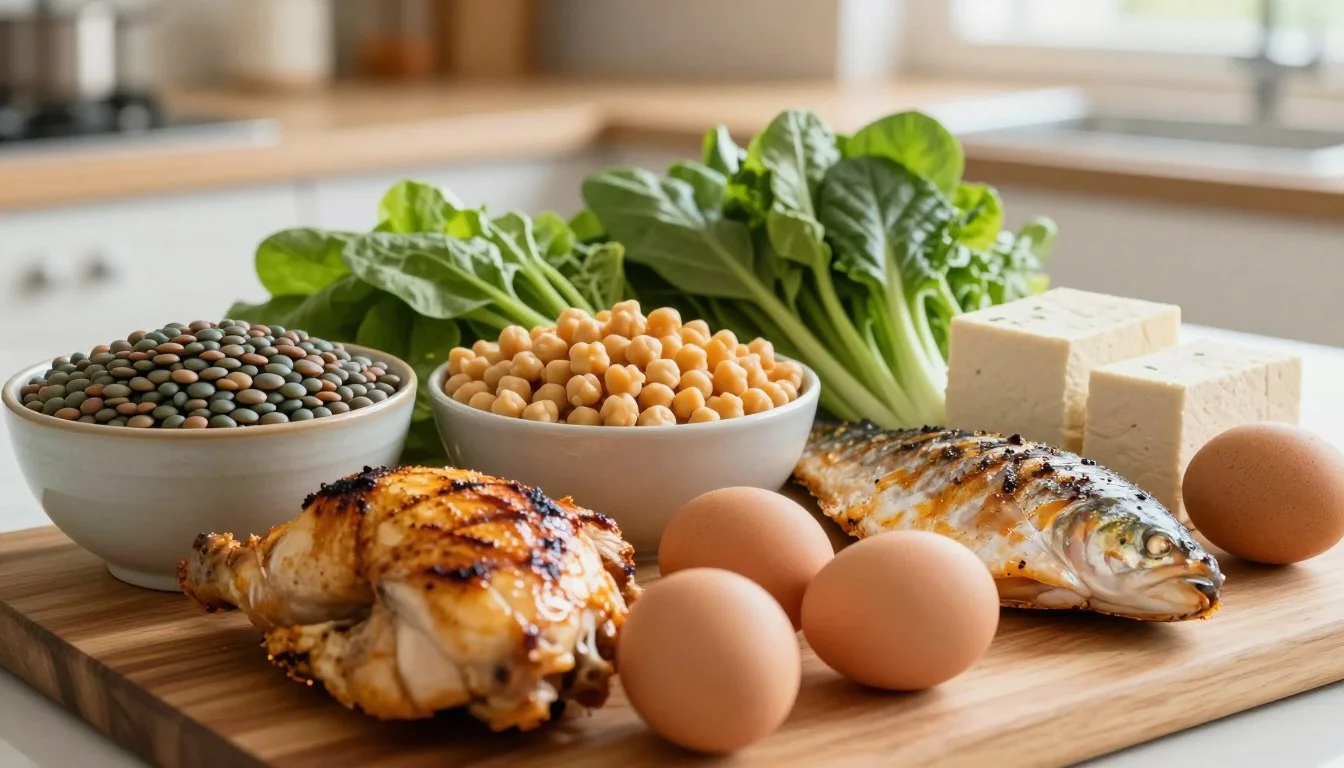
Choosing between animal and plant protein depends on your diet and health goals.
Research shows different long-term health effects from different proteins.
Understanding Protein Sources
Protein is one of the most essential nutrients in the human diet and is made up of amino acids.These amino acids are vital for our body's functions. There are two main types of protein: complete and incomplete. Knowing about these helps us choose the right foods for our protein needs.
Definition of Protein
Protein is made of amino acids linked together. These amino acids help fix tissues and make enzymes. Animal proteins have all the amino acids we need. Plant proteins might be missing some.
Importance of Protein in the Diet
Protein plays a critical role in growth, muscle maintenance, and overall body function.It's very important for people who are active or getting older. Most adults need 46-56 grams of protein each day.
Not getting enough protein can harm our health. It can cause muscle loss and weaken our immune system.
Sources of Protein: Animal vs. Plant
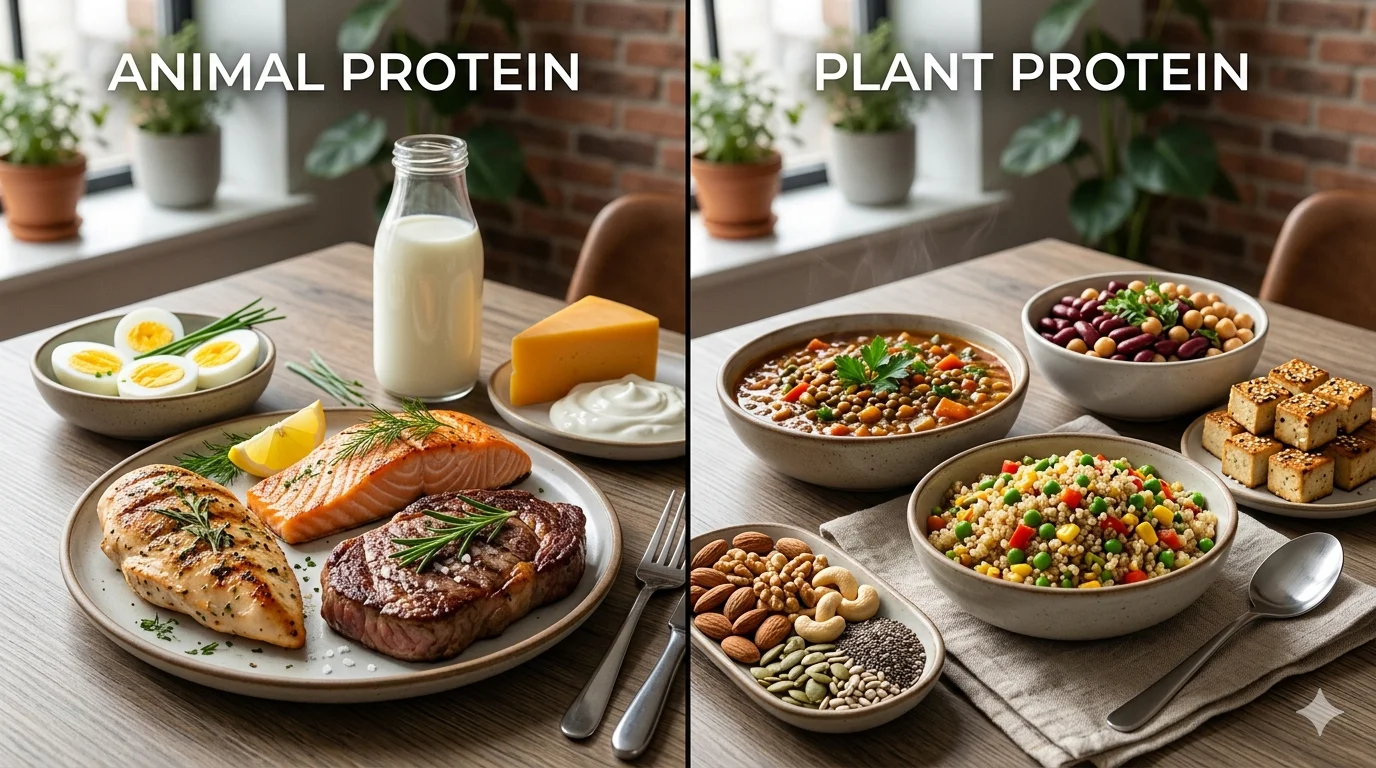
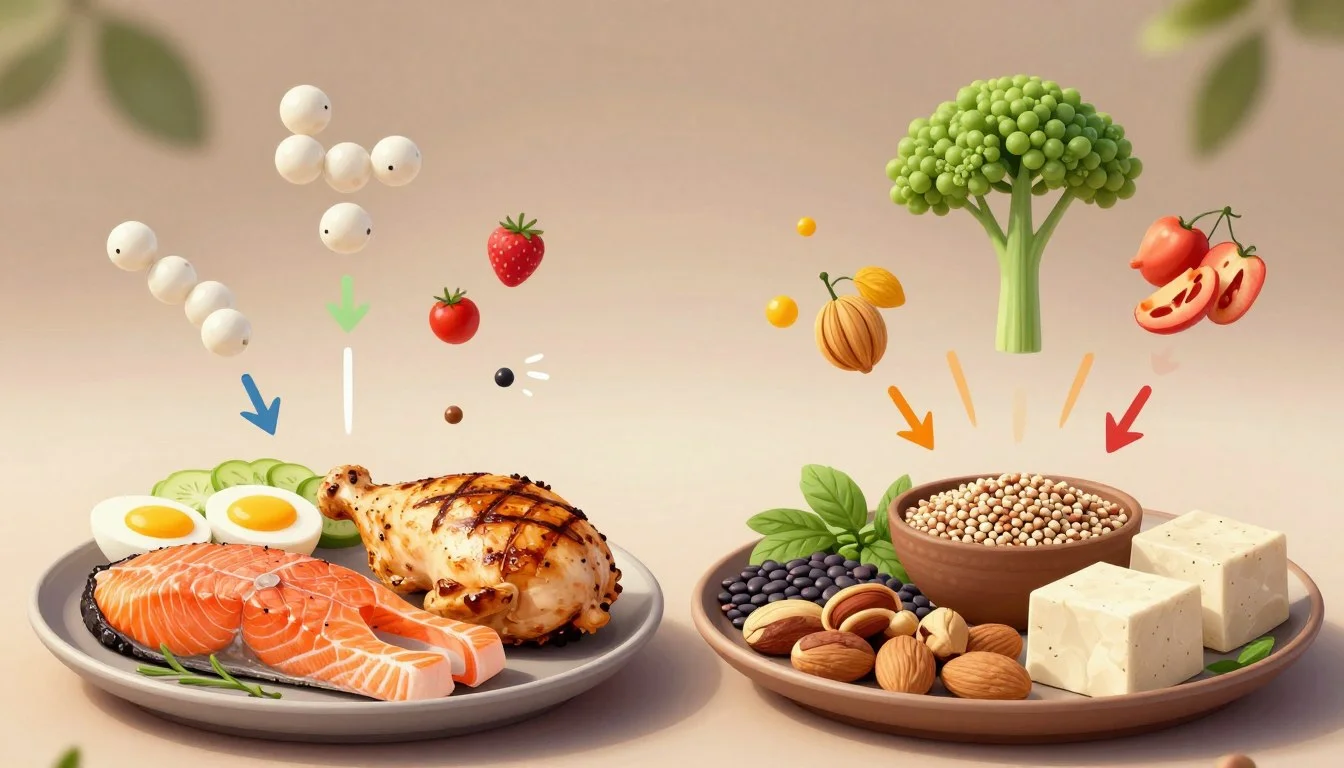
There are multiple ways to meet your daily protein needs through both animal and plant-based foods.Animal proteins like meat, dairy, and eggs are complete. Plant proteins, like legumes and nuts, are good for fiber and health.
Choosing plant proteins is better for the environment. It's more sustainable than animal proteins.
Watch this video to better understand the difference between animal and plant protein:
Protein Source
Amino Acid Profile
Environmental Impact
Animal Protein (e.g., chicken, beef)
Complete
Higher
Plant Protein (e.g., lentils, quinoa)
Incomplete (except quinoa, soy)
Lower
Nutritional Benefits of Animal vs Plant Protein
Much of the debate around animal and plant protein centers on their nutritional and health benefits.Each type has unique qualities that help our health. Knowing these differences helps us make better food choices.
Essential Amino Acids in Animal Protein
Animal proteins are considered complete proteins because they contain all essential amino acids.Our bodies can't make these, so we need them from food. This is why animal proteins are great for fixing and growing muscles.
Animal proteins are more easily used by our bodies than most plant proteins. This is because they have all the amino acids we need. Eating a mix of proteins helps us get all the amino acids we need.
Health Benefits of Plant Protein
Plant proteins are linked to improved heart health, better digestion, and easier weight management.They also help with weight control. Eating more plant proteins can lower the risk of serious diseases.
Studies show that eating plant proteins can make us healthier in the long run. Adding more plant proteins to our diet is a smart choice.
Vitamins and Minerals in Different Protein Sources
Animal and plant proteins both have important vitamins and minerals. But they have different nutrients. Animal products have B vitamins, iron, and calcium, which are good for energy and bones.
Plant foods are full of antioxidants and fiber. These are good for our immune system and overall health. Knowing what each protein source offers helps us eat a balanced diet.
Protein Source
Essential Amino Acids
Key Vitamins
Key Minerals
Health Implications
Animal Protein
Complete source (all 9 essential amino acids)
B Vitamins (B12, B6), Vitamin D
Iron, Calcium, Zinc
Supports muscle growth and repair, higher bioavailability
Plant Protein
Often incomplete (may lack some essential amino acids)
Vitamin C, Vitamin E, Folate
Magnesium, Potassium
Heart health, lower cancer risk, high fiber aids digestion
Animal vs Plant Protein: Which is Better?
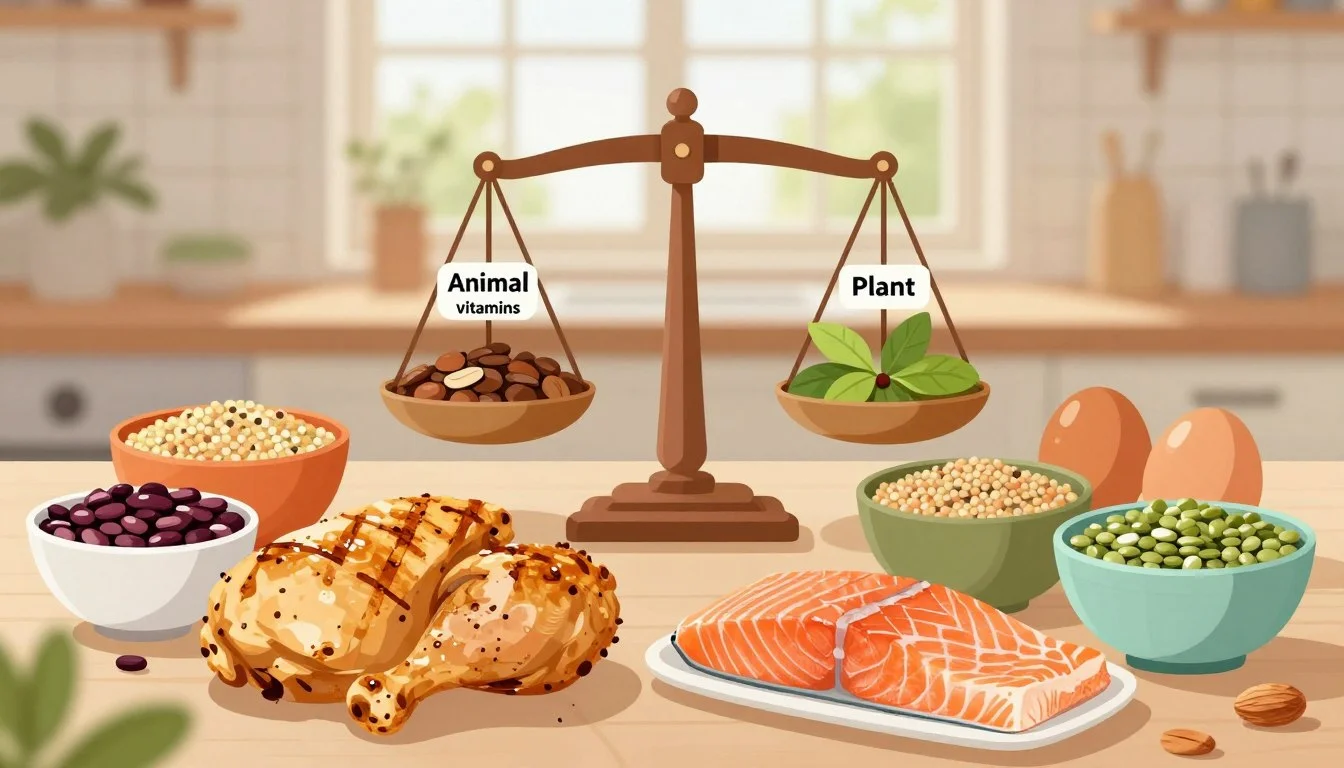
To understand which protein source may be better, it’s important to compare their nutritional profiles side by side.This helps us see how different proteins stack up and affects our diet and health.
Comparative Nutritional Profiles
Animal proteins like chicken and fish have different nutritional values than plant proteins like quinoa and chickpeas. Each type has its own benefits for different dietary needs.
Protein Source
Calories (per 100g)
Protein (g)
Fat (g)
Carbohydrates (g)
Chicken Breast
165
31
3.6
0
Salmon
208
20
13
0
Quinoa
120
4.1
1.9
21
Chickpeas
164
8.9
2.6
27
Dietary Considerations and Health Goals
Choosing between animal and plant proteins depends on your diet and health goals. Animal proteins are good for muscle gain because they have more essential amino acids. Plant proteins are better for weight loss because they have fewer calories and more fiber.
It's also important to think about ethics and the environment. Eating more plant-based foods is good for the planet. Mixing different proteins helps you meet your health goals.
Health Differences Between Animal and Plant Protein
Looking into the health differences between animal and plant protein is key. It shows how they affect our bodies and overall health. We'll talk about heart health, weight management, and long-term health, all important in what we eat.
Impact on Heart Health
Research shows that protein source can significantly affect heart health outcomes.Eating a lot of animal protein can lead to heart disease. This is because of the saturated fats and cholesterol in red and processed meats.
On the other hand, plant proteins are better for the heart. They have less saturated fat and more fiber. Foods like legumes and nuts can help lower blood pressure and improve cholesterol.
Weight Management and Muscle Gain
Protein type matters for weight management and muscle gain. Both animal and plant proteins help with fitness goals, but differently. Animal proteins like lean chicken and fish help build muscle because they have all the amino acids needed.
Plant proteins, like beans and quinoa, also help build muscle. They are lower in calories and higher in fiber, which helps with weight management. Eating protein at the right time, like after working out, is key to muscle gain, no matter the source.
Long-term Health Outcomes
Long-term studies show big health differences between animal and plant protein diets. People who eat more plant-based foods tend to live longer and have fewer chronic diseases. This is because plant foods are full of antioxidants and phytochemicals.
On the other hand, eating a lot of animal products can increase the risk of obesity, diabetes, and other diseases. A balanced diet that includes different protein sources is best for long-term health and longevity.
Conclusion
In the end, both animal and plant protein offer unique health benefits, and the better choice depends on your personal goals, dietary preferences, and lifestyle.Knowing the differences is key for making good food choices. Each type of protein offers health perks that match different goals and tastes.
Animal protein might be better for building muscle or getting certain amino acids. But, plant protein is rich in fiber and has less saturated fat. So, choosing what to eat should depend on your health needs, values, and goals.
Finding a balance in protein sources is important. Eating the right amount of protein, from animals or plants, is good for health. Making protein choices should consider your health goals, lifestyle, and values. This way, you get a balanced diet.
FAQ
What are the main differences between animal and plant protein?
Animal protein is a "complete" protein source. It has all nine essential amino acids needed for health. Plant proteins are often "incomplete," missing one or more amino acids. But, mixing different plant sources can provide all amino acids, making them good for a vegetarian or vegan diet.
How much protein do adults need daily?
Adults need about 46 grams of protein a day, depending on age, activity, and health. Getting enough protein helps keep muscles strong and supports the body's functions.
Are there any health benefits associated with plant protein?
Yes, plant proteins offer health perks. They have less saturated fat, more fiber, and lots of vitamins and antioxidants. Eating more plant proteins may lower disease risks and improve heart health.
Can a vegetarian diet provide sufficient protein?
Absolutely. A vegetarian diet can get enough protein from legumes, nuts, seeds, whole grains, and soy products. It's key to mix different protein sources to get all essential amino acids.
How do the nutritional profiles of animal and plant proteins compare?
Animal proteins have more B vitamins, iron, and calcium but more unhealthy fats. Plant proteins have more fiber, antioxidants, and less saturated fats. This makes them good for heart health and digestion.
Do protein sources affect muscle gain effectively?
Both animal and plant proteins can help with muscle gain. Animal proteins have more essential amino acids for muscle recovery and growth. But, with the right plan, plant-based proteins can also help build muscle.
What should individuals consider when choosing between animal and plant proteins?
Think about your health goals, dietary needs, ethics, and the environment when picking protein sources. Animal proteins might be better for muscle gain or health issues. But, plant-based options are good for those who care about ethics and the planet.
 Key Takeaways
 Animal vs Plant Protein: Which is Better?
 Health Differences Between Animal and Plant Protein
 Conclusion
Comments
Log in to leave a comment.